
Los Altos Divorce Attorney
Strategic, Collaborative, Results-Driven Advocacy
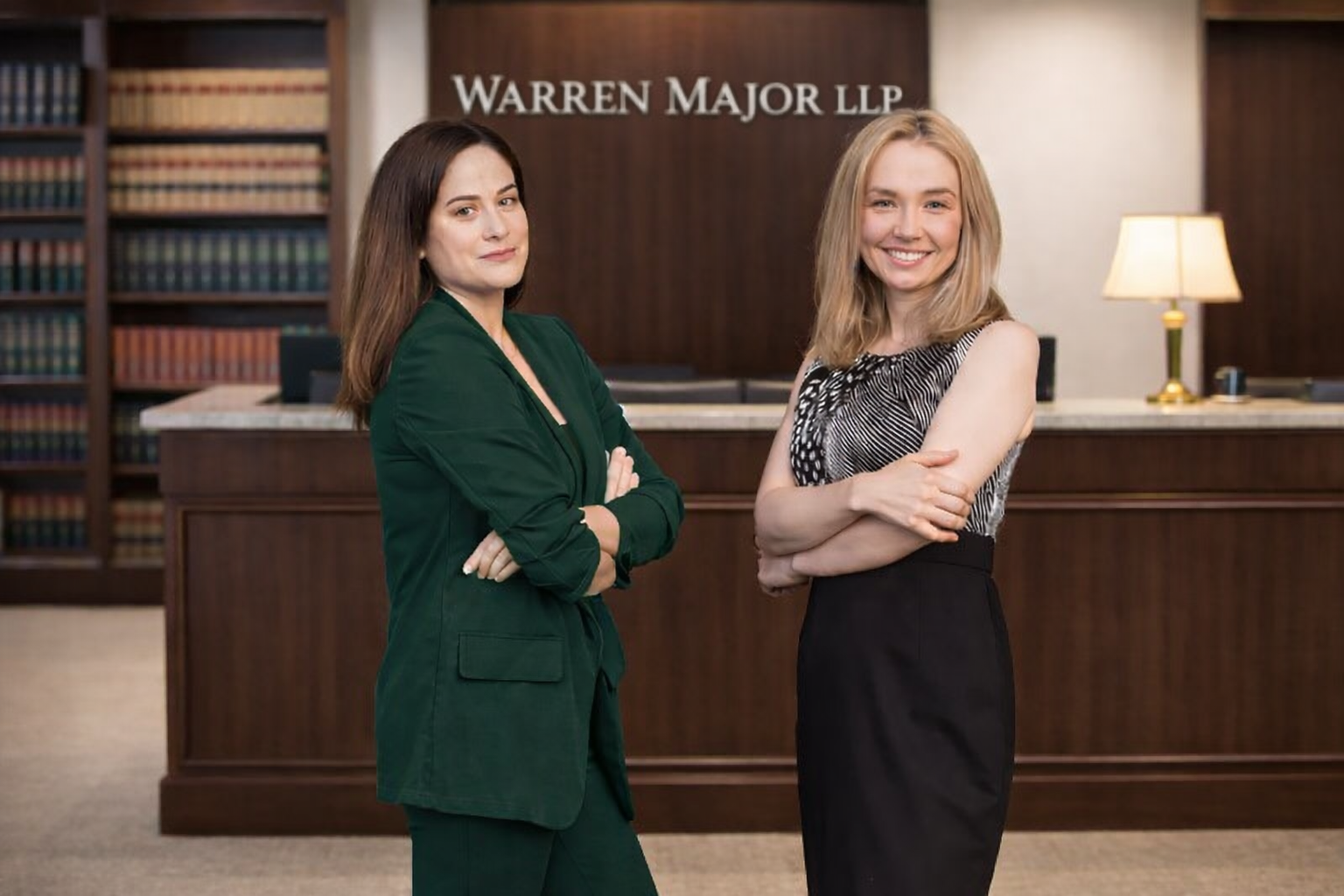
Divorce changes everything — finances, parenting, community ties, future plans. In Silicon Valley, emotions run high and legal complexity runs deeper. Marissa Major and Hillary Warren lead Warren Major LLP with direct, experienced guidance through divorce and legal separation. The firm focuses on results, not rhetoric. Counsel works side-by-side with each client to resolve issues efficiently, preserve dignity, and protect what matters most.
Divorce requires more than legal knowledge. It demands strategic negotiation, community understanding, and conflict resolution skills that cut through impasse and focus on real human priorities. Marissa Major and Hillary Warren bring collaborative law expertise and conflict de-escalation tools to every case. When litigation becomes necessary, the firm stands ready with courtroom experience and tactical precision.


Understanding Divorce & Legal Separation in Los Altos
California law labels divorce as “dissolution of marriage.” Courts end marital status and decide how to divide property, address spousal support, allocate parental responsibilities, and resolve financial disputes. The process follows statutory rules and procedural steps designed to protect rights and interests. (See California Courts Self-Help Guide: Divorce in California.)
Two distinct paths exist: divorce and legal separation.
Divorce legally ends the marital relationship. California imposes a mandatory six-month waiting period from the date the spouse is served before a divorce can finalize. (California Courts Self-Help Guide.)
Legal separation resolves property, support, and custody matters while keeping spouses legally married. Many couples choose separation for religious, financial, or insurance reasons. This route removes the six-month waiting period tied to divorce and still achieves court-ordered division of assets, debts, support, and parenting plans. (California Courts Self-Help Guide: Legal separation.)
Both routes require precise paperwork, financial disclosures, and negotiation — and both benefit from experienced legal strategy.
How Divorce Works in California Courts
Initiate the Case.
One spouse files a petition to begin dissolution or separation. The other spouse must be served with those papers. (California Courts Self-Help Guide.)
Financial Disclosures.
Each party exchanges income, assets, debts, and expenses. Full, accurate disclosure speeds settlement and avoids complications later. (California Courts Self-Help Guide: Make Decisions.)
Negotiation, Mediation, or Litigation.
Parties resolve issues collaboratively or proceed to hearings. California courts encourage negotiation when possible. (Santa Clara Courts Family Law Self-Help.)
Final Orders.
Once all decisions — property division, support, custody — reach resolution, attorneys file final documents that lead to a divorce decree or legal separation judgment.


Collaborative Law: Solving Problems Without Adversary Battle
- Structure conversations around interests, not positions
- Prioritize clear agreement terms that reflect clients’ lives
- Integrate financial planning into divorce negotiation
- Keep disputes out of court when feasible
Why Strategic Conflict Resolution Matters in Los Altos
Los Altos neighbors Silicon Valley, a region where high-value assets, stock options, and entrepreneurial ventures create complexity in divorce cases. Division of equity, capital gains tax issues, pensions, and business interests require tactical planning. Negotiation without strategy leaves value on the table.
Collaborative law thrives here, where innovation assumes negotiation intelligence and disciplined planning. A successful resolution:
- Protects career-building assets
- Reduces emotional volatility
- Preserves privacy
- Maximizes long-term financial outcomes
- Focuses on common interests rather than entrenched positions


Legal Separation: A Strategic Alternative
Legal separation provides many of the same court-ordered protections as divorce without dissolving the marriage. Parties still divide property, establish support terms, and resolve custody issues, all while remaining legally married. (California Courts Self-Help Guide: Legal separation.)
- Preserve health insurance or retirement benefits
- Have religious objections to divorce
- Need more time to plan financially
- Want to avoid the divorce waiting period
Common Divorce Issues Warren Major LLP Handles
Property Division
Spousal Support
Child Custody and Support
Collaborative and Mediation Processes
Los Altos Family Law Insight
In Los Altos and surrounding Santa Clara County, local family law courts encourage early settlement efforts. Judges use settlement conferences, mediation referrals, and strategic case scheduling to move cases forward efficiently with minimal temporary litigation when possible. Self-Help centers and workshops provide procedural information, but only a skilled attorney provides strategy, risk analysis, and legal advocacy at every stage. (Santa Clara Courts Self-Help Center/Family Law Facilitator.)
High net worth divorces, complicated parenting arrangements, and collaborative negotiation demand a lawyer with local knowledge. Marissa Major and Hillary Warren understand Santa Clara Superior Court norms and how judges respond to strategic negotiation versus combative litigation.
Collaborative Law vs. Litigation: When Both Matter
- Draft motions and declarations
- Prepare financial exhibits
- Craft persuasive negotiations grounded in legal reality
- Anticipate judicial concerns and demonstrate readiness
Early Legal Guidance Improves Outcomes
Starting divorce or separation without counsel risks mistakes — missed disclosures, undervalued assets, unclear custody agreements, and weak negotiation positions. Court self-help resources offer procedural clarity, but not strategy. (California Courts Self-Help, Divorce Guide.)
Warren Major LLP engages early — before filings — to build strategy and mitigate conflict. Couples with counsel engaged early tend to resolve issues faster, spend less in legal costs over time, and retain control over outcomes.


Choose A Los Altos Divorce Attorney Who Thinks Ahead
- Builds clear legal strategies
- Guides negotiations constructively
- Protects financial and parenting interests
- Knows local courts and judges
- Responds to complexity with clarity
What Our Clients Say

 Dave Benz
Trustindex verifies that the original source of the review is Google.
Marissa is very attentive and through. She has served me both as my attorney in one family law case and then as a legal advisor in a second matter that was resolved pro se. I highly recommend her. Ian ChaseI highly recommend Warren Major LLP to anyone seeking expert family law advice paired with personalized attention. Warren Major LLP is the ideal firm for anyone seeking a trusted family law advocate that gets results in such a challenging field.
 Clara PorterI highly recommend Warren Major LLP. Their approach is smart, professional, and attentive to the individual needs of their clients. Both Marissa and Hillary have impressive academic backgrounds, but more importantly, they have the requiste skill and years of experience necessary to advocate zealously for their clients and achieve successful results, time and time again.
 Nancy MajorVery competent and experienced. I highly recommend them.
 scott jensenMarissa Major was instrumental in setting strategy, aligning long term interests and keeping the focus on critical issues to a successful resolution of a very challenging divorce. I am indebted to her legal mind, fierce protection of her client and relentless support of the best outcome for me and my child.
 Casa CaliforniaExcellent service from Major Warren LLP! Very professional and well priced. Would highly recommend for your legal needs.
 Cata Atria AWe had a great experience with Warren Major LLP. We felt supported, listened to, and respected. They are as professional as they are kind, and this was really important to us. Thank you for all you did for us.
Why Clients Choose Warren Major LLP
- Collaborative law expertise
- Conflict resolution training
- Courtroom readiness
- Deep understanding of high-asset divorce
- Clear, direct communication
The firm approaches divorce and legal separation with discipline and focus. Every strategy reflects the client’s long-term goals. Every negotiation reflects preparation.
Divorce demands clarity. Legal separation demands structure. Collaborative law demands skill.
Warren Major LLP delivers all three.
Frequently Asked Questions
How long does a divorce take in California?
California imposes a mandatory six-month waiting period from the date of service before a divorce can finalize. No court can shorten that timeline. Complex cases involving property division, custody disputes, or support disagreements may take longer depending on negotiations and court scheduling. (See California Courts Self-Help Guide: Divorce, selfhelp.courts.ca.gov.)
Early preparation accelerates resolution. Strategic negotiation often shortens the overall timeline.
What is the difference between divorce and legal separation?
Divorce ends marital status permanently. Legal separation resolves property, custody, and support issues without terminating the marriage. Couples choose legal separation for religious reasons, financial considerations, or insurance benefits. (See California Courts Self-Help Guide: Legal Separation, selfhelp.courts.ca.gov.)
Both processes require full financial disclosure and judicial approval of final agreements.
Does California require proof of wrongdoing to file for divorce?
No. California follows a “no-fault” system. A spouse may file for divorce based on irreconcilable differences without proving misconduct. (California Family Code §2310; California Courts Self-Help Guide.)
This structure shifts focus away from blame and toward resolution.
What is collaborative divorce?
Collaborative divorce allows spouses to resolve disputes without court intervention. Both parties sign a participation agreement committing to negotiation in good faith. Attorneys trained in collaborative law guide structured discussions and integrate neutral professionals when appropriate. (See Judicial Council of California materials on collaborative law; California Courts resources.)
Collaborative law promotes privacy, reduces hostility, and often saves time and expense compared to contested litigation.
Marissa Major and Hillary Warren bring extensive collaborative experience to Los Altos divorce matters and guide clients through principled negotiation.
Why hire a Los Altos divorce attorney instead of using court self-help resources?
Self-Help Centers explain procedure. Attorneys build strategy.
A seasoned Los Altos divorce attorney:
- Identifies legal risk early
- Structures financial negotiations intelligently
- Drafts enforceable agreements
- Protects privacy
- Anticipates judicial expectations in Santa Clara County
Strategic counsel preserves leverage and prevents costly mistakes.