

Alameda County Child Custody
Strategic Advocacy Grounded in Local Courtroom Reality
Child custody decisions shape a child’s daily life, education, healthcare, and long-term stability. Alameda County judges move quickly and demand precision. Every declaration, parenting proposal, and evidentiary exhibit must align with California’s best-interest standard under Family Code §3011. Courts analyze facts. Courts measure credibility. Courts reward preparation. (See Cal. Fam. Code §3011; California Courts Self-Help Guide, Child Custody, selfhelp.courts.ca.gov.)
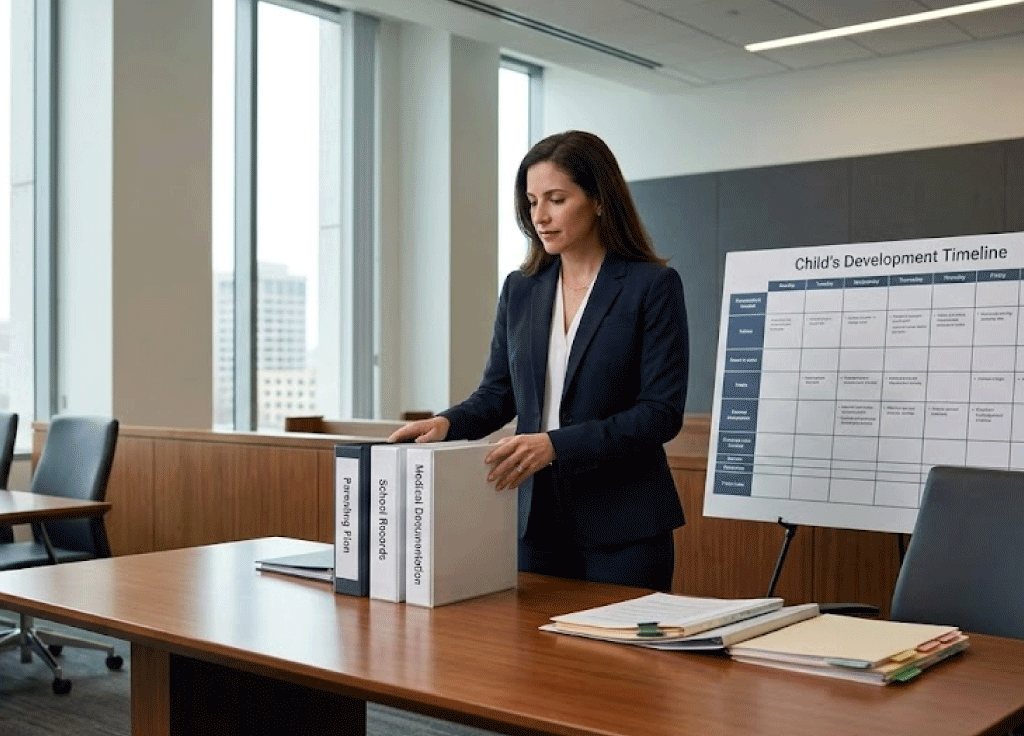
Warren Major LLP brings focused, courtroom-ready advocacy to every Alameda County Child Custody dispute. Marissa Major and Hillary Warren litigate complex custody matters with discipline and clarity, including high-conflict cases and matters involving special needs children. The firm builds structured parenting plans, organizes school and medical documentation, and prepares every case for scrutiny in Oakland, Hayward, and Dublin family law departments.
An experienced Alameda County Child Custody Attorney understands how local judges evaluate stability, parental involvement, and child welfare evidence. Local knowledge shapes strategy. Preparation shapes outcome.
The Law: Best Interest Of The Child Is Non-Negotiable
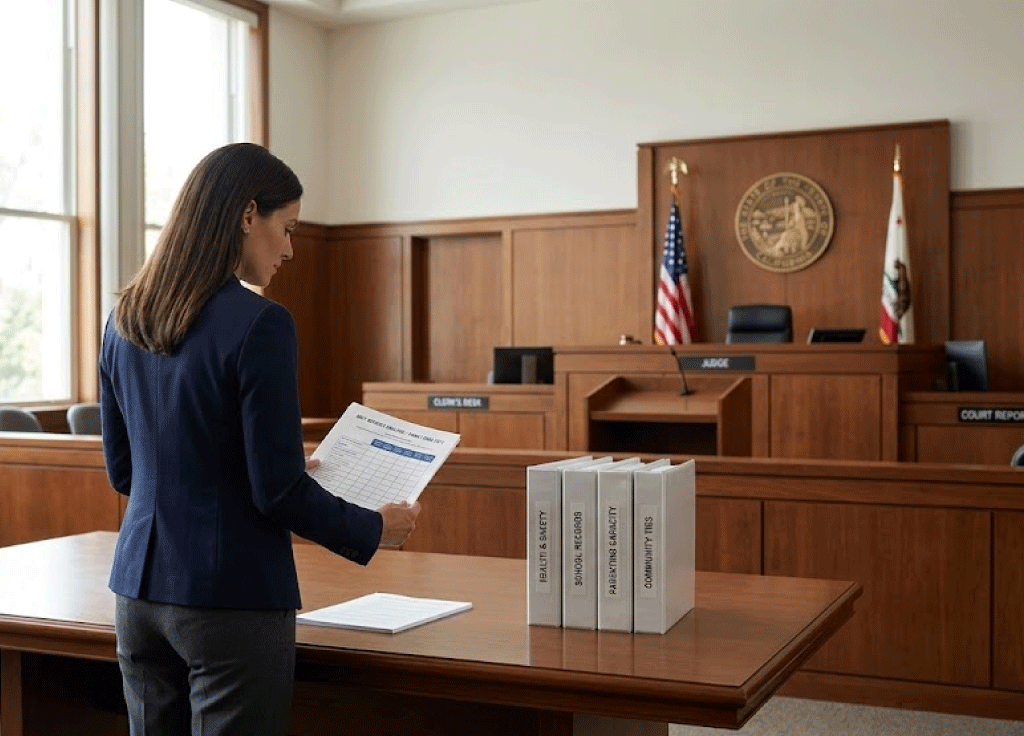
- The child’s health, safety, and welfare.
- Any history of abuse toward the child or other family members.
- The nature and quality of the child’s relationship with each parent.
- Habitual substance abuse or other factors affecting parenting capacity.
- The child’s ties to school, home, and community.
- Each parent’s capacity to facilitate contact with the other.
- Emotional bonds and stability.
Family Code §3011 sets out these factors and binds judges to consider them in every custody decision. Judges must ignore irrelevant traits such as sexual orientation or gender identity when deciding what serves the child best.
The law also reflects public policy: frequent and continuing contact with both parents benefits most children unless that contact would be detrimental to the child’s welfare.
Legal Custody vs. Physical Custody: Clarifying The Difference
Legal custody determines who decides the child’s healthcare, education, and general welfare.
Physical custody determines where the child lives and how time divides between parents.
Both legal and physical custody can be shared (joint) or held by one parent (sole). Courts retain broad discretion but must tether decisions to statutory protections and child welfare considerations.
Judges in Alameda County rarely issue vague schedules. They demand specific parenting plans with actual pickup/drop-off times, holiday distributions, school calendars, and provisions for medical care — particularly when children have special needs that demand routine and structure.

Local Practice: How Alameda County Handles Custody Matters
Alameda County Superior Court dedicates multiple departments to family law cases across Oakland, Hayward, and Dublin. Each calendar prioritizes compliance with procedure, clarity of evidence, and courtroom readiness. Self-Help Centers and family law facilitators play a support role — but serious custody advocacy requires active attorney involvement.
- Accurate and complete custody petitions.
- Well-organized declarations.
- Timely attachments of education, health, therapy, and developmental records (when relevant).
- Proposed parenting plans with clear structure.
Mediation, CCRC, & Early Court Intervention
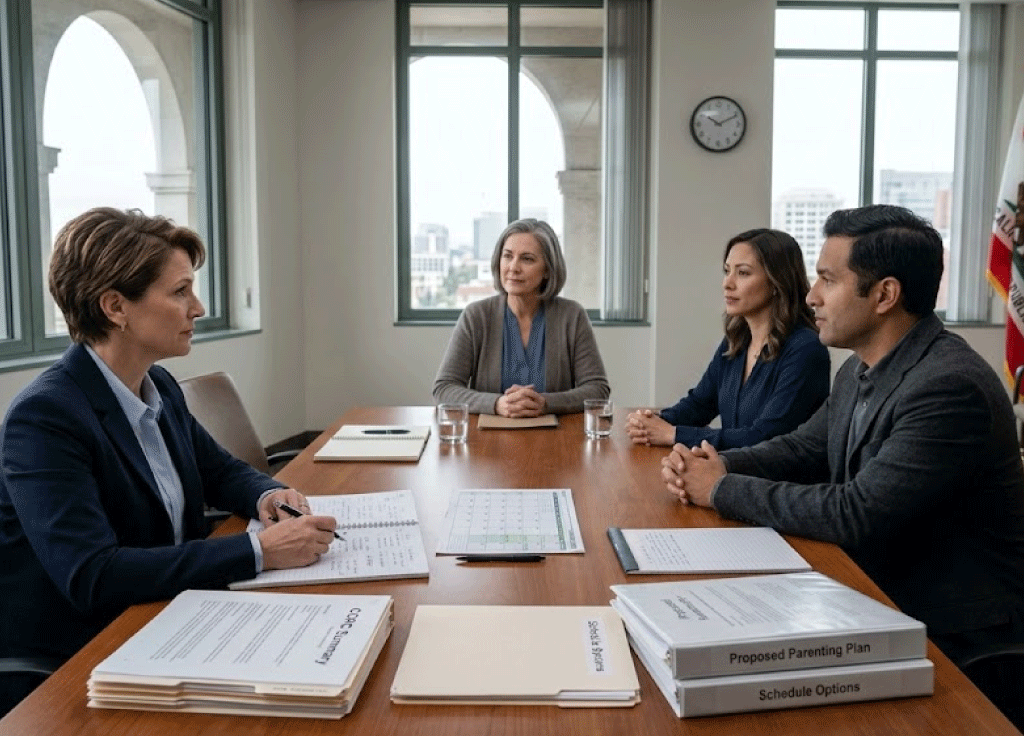
Before contested hearings, Child Custody Recommending Counseling (CCRC) may take place in Alameda County. CCRC connects parents with a trained counselor who helps shape an agreed parenting plan. If parents do not resolve differences, the counselor writes a recommendation shared with the court.
Judges often adopt these recommendations as the basis for court orders unless strong evidence suggests otherwise.
Warren Major LLP treats CCRC not as an obstacle but as a strategic opportunity to frame parenting proposals clearly and convincingly.
Special Needs Custody Cases Demand Extra Precision
- Individualized Education Program (IEP) meetings.
- Behavioral or speech therapy.
- Occupational therapy and sensory integration programs.
- Regular medical appointments.
Research and practice confirm that routine and stability strongly influence positive outcomes for special needs children. Tailored custody schedules reflect those needs and hold up under judicial examination. (See research insights on custody issues for special needs children emphasizing routine and tailored schedule stability.)
Warren Major LLP constructs custody orders that protect access to services and respect therapy schedules. Judges evaluate these plans on factual strength, not emotional appeal.
Navigating High-Conflict Issues: Abuse, Substance Use, & Safety Concerns
When one parent presents credible evidence of abuse or substance misuse, California law imposes strict evaluative standards:
- Family Code §3011 requires courts to review abuse history before awarding custody.
- Domestic violence allegations trigger rebuttable presumptions that a parent’s custody may be detrimental absent strong counter-evidence.
Judges expect admissible documentation — police reports, restraining orders, CPS investigations, medical records — not hearsay. Courts may order supervised visitation or require evaluations before expanding contact rights.
This firm prepares evidentiary packets that address these concerns directly, without unnecessary generalization.
Child Custody Evaluations & Expert Evidence
Under California Rule of Court 5.220, judges may appoint court-connected evaluators or private evaluators to investigate disputed custody situations. Evaluations analyze the child’s health, safety, welfare, and best interests through structured assessment and interviews.
Custody evaluators carry weight before the bench. Attorneys skilled in evaluation preparation understand how to frame interrogatories, organize records, and prepare clients for interviews that strengthen outcomes.
Modification & Change Of Circumstances
Custody orders do not lock forever. California law allows modification when a significant change in circumstances affects the child’s welfare. Judges balance stability with responsive adjustments when evidence justifies changes — for example, relocation, new health needs, or educational challenges.
Modifications require solid evidence and strategy, not assumptions. Alameda County judges apply the same best interest standard in modification petitions as in original orders.
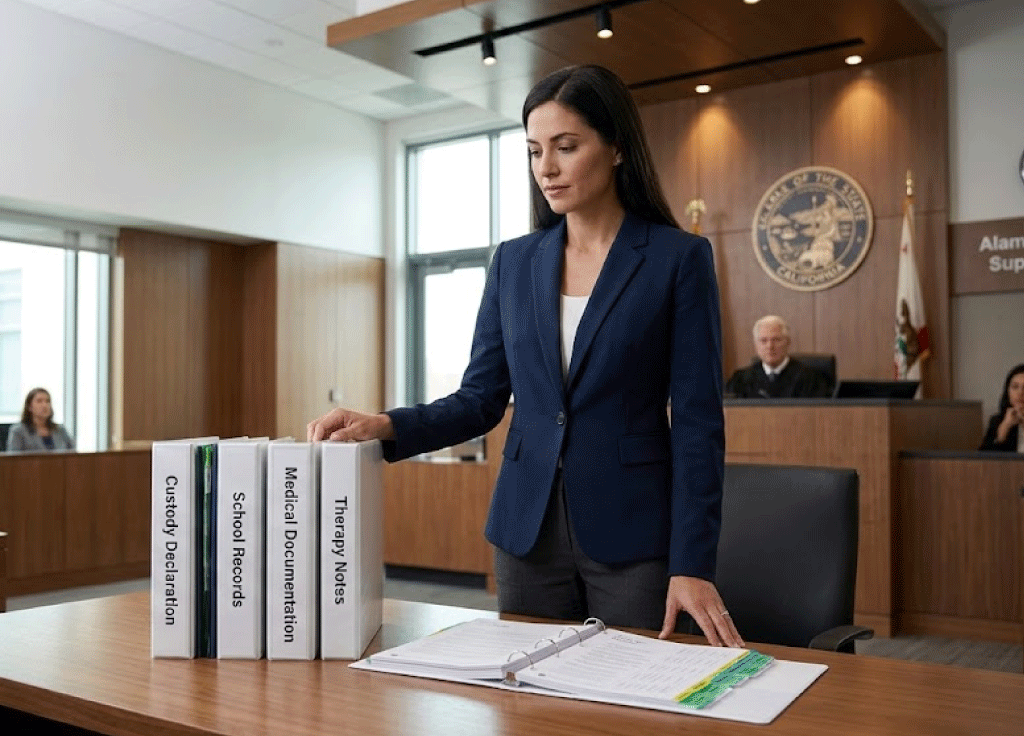
Why Local Expertise Matters: Alameda County Child Custody Attorney
- Understand how local judges evaluate evidence and testimony.
- Prepare declarations that speak the court’s language.
- Integrate school, medical, and therapy documentation logically.
- Anticipate opposing arguments and counter them decisively.
Warren Major LLP: Intensive Focus. Winning Strategies.
- Detailed analysis of statutory factors.
- Custom parenting plans with real time allocations.
- Court-ready evidentiary presentations.
- Strategic counseling for contested issues.
- Insight into judge expectations in Alameda County courts.

What Our Clients Say

 Dave Benz
Trustindex verifies that the original source of the review is Google.
Marissa is very attentive and through. She has served me both as my attorney in one family law case and then as a legal advisor in a second matter that was resolved pro se. I highly recommend her. Ian ChaseI highly recommend Warren Major LLP to anyone seeking expert family law advice paired with personalized attention. Warren Major LLP is the ideal firm for anyone seeking a trusted family law advocate that gets results in such a challenging field.
 Clara PorterI highly recommend Warren Major LLP. Their approach is smart, professional, and attentive to the individual needs of their clients. Both Marissa and Hillary have impressive academic backgrounds, but more importantly, they have the requiste skill and years of experience necessary to advocate zealously for their clients and achieve successful results, time and time again.
 Nancy MajorVery competent and experienced. I highly recommend them.
 scott jensenMarissa Major was instrumental in setting strategy, aligning long term interests and keeping the focus on critical issues to a successful resolution of a very challenging divorce. I am indebted to her legal mind, fierce protection of her client and relentless support of the best outcome for me and my child.
 Casa CaliforniaExcellent service from Major Warren LLP! Very professional and well priced. Would highly recommend for your legal needs.
 Cata Atria AWe had a great experience with Warren Major LLP. We felt supported, listened to, and respected. They are as professional as they are kind, and this was really important to us. Thank you for all you did for us.
Frequently Asked Questions
What is the best-interest standard in Alameda County custody cases?
Does Alameda County require custody mediation before a hearing?
What is the difference between legal custody and physical custody?
How does a special needs child affect a custody order?
Can a custody order be modified after it is entered?
What happens when abuse or substance use is alleged in custody proceedings?
Secure Seasoned Representation Today
Custody decisions shape children’s daily lives and long-term development. Judges focus on stability, safety, and continuity. Counsel with local courtroom experience — like Marissa Major and Hillary Warren — ensures custody arrangements reflect what courts value most.
Consult with a trusted Alameda County Child Custody Attorney to build a case rooted in law, evidence, and real local practice.